


The Alternate Route training program offers classes in dance therapy approved by the American Dance Therapy Association (ADTA) and has been created with the 92nd Street Y Harknesss Centre. It is designed for dancers and health professionals who want to obtain the professional accreditation of Registered Dance/Movement Therapist, by the ADTA.
A unique program in Canada, it offers ADTA-approved dance therapy courses developed in partnership with the 92nd Street Y Harkness Dance Centre. Selected students will take 270 hours of classes taught by American and Canadian dance therapists recognized as pioneers in the field.
It is important to note that completing the Alternate Route won’t result immediately in the certification. Together with other criteria, this program allows to replace a master’s in dance therapy, not yet available in Canada.
The ADTA Dance/Movement Therapy Certification Board (DMTCB) delivers the Registered Dance/Movement Therapist (R-DMT) accreditation. To obtain this, you need to complete a master’s degree in dance therapy. Since this is currently unavailable in Canada, another option is to gather the following:


The Alternate Route is a private program equivalent to 27 master’s credits in dance therapy, for a total of 405 hours:
Training dates – current cohort:
2025 - June 16 to July 4
2026 - June 16 to July 4
2027 - June 15 to July 3
These dates are subject to change
Course content:
This course is an introduction to the basic principles, techniques and methods of dance/movement therapy (DMT). Topics include symbolic aspects of the body, the physiological basis of emotion, movement from a developmental perspective, systematic movement observation, cultural differences in movement behavior, and the relation to dance. Movement experiences are derived from the abstraction of basic DMT processes.
This course focuses in detail on the principles, techniques and methods of DMT with emphasis on the roots of dance as therapy in various forms of dance, and especially on experiential work by students in leading DMT sessions in a positive, inclusive, and equitable learning environment. Movement experiences are derived from the abstraction of basic DMT processes. Recent discoveries in neuroscience will be included in relation to elements of DMT methods, and the use of Experiential Focusing in DMT will be introduced.
This course is designed to introduce students to the basic concepts and vocabulary of movement analysis developed by Rudolf Laban, Irmgard Bartenieff, and their collaborators. The Laban Bartenieff Movement System (LBMS) is a comprehensive theoretical framework used in experiencing, observing, and describing movement with a clearly delineated language. As a system of movement analysis, LBMS is unique, as 1) it aims to identify both the qualitative and the quantitative aspects of movement; 2) it allows to explore significant connections between movement and intention or motivation. These connections provide insights into personal movement style and group patterns, fostering awareness of what and how movement communicates.
This course will support each student's learning and understanding of the professional dance/movement therapist's leadership responsibilities with both small and large groups. A focus will be on deepening skills as they structure group cultures relative to treatment goals within specific facilities and with a demonstration of group dynamics in movement. Each student will develop proficiency in leadership of dance/movement therapy sessions. Each student will demonstrate an understanding of group session goals and structures.
Students will continue to develop their movement vocabulary, including embodying a variety of movement practices, understanding the components through the lens of the Laban Bartenieff Movement System (LBMS) and related systems, and observing examples of individual, dyadic, small group, and intracultural events. Students will observe the use of movement analysis in clinical and other settings. Students will be introduced to a number of assessment tools, and a variety of populations that dance/movement therapists work with, including children with learning or attachment issues, seniors with dementia, somatic challenges (Parkinson’s, MS, etc.).
This course is an introduction to the theoretical foundations of Dance/Movement Therapy (DMT) as a profession. Theories of developmental psychology, psychotherapy, neuroscience, and movement pathology will be explored. Students will gain insights to their ability to relate to clients in movement and to understand DMT principles, treatment goals, session structures and clinical applications.
Our admission criteria are based on those of the closest organization delivering accreditation: the Dance/Movement Therapy Certification Board (DMTCB) of the American Dance Therapy Association (ADTA). These criteria are very similar to those of other international organizations.
We suggest that all those interested in the program consult the R-DMT Applicant Handbook.
*What is the required dance experience?
More than 5 years of dance experience can be acquired by completing a professional, university, or college program. It can also be obtained through cumulative participation in intensive workshops, master classes, or ongoing technical maintenance in intermediate and advanced level classes. This type of experience ensures an understanding of movement anatomy and technical expertise. In addition, mastery of two dance styles is essential. It guarantees a thorough technique, a varied vocabulary, and a sufficient movement repertoire to creatively adapt dance and movement interventions to the specific needs of participants. Finally, dance teaching experience is highly recommended and is a valuable asset for enriching the pedagogical aspects of dance therapy practice.
The next auditions are scheduled for fall 2027. Candidates will be required to meet the admission criteria at the audition.

One-time administration fees:
330$ plus taxes (file opening, non-refundable)
Annual tuition fees (2025–2027 cohort):
Quebec residents - $2150 plus taxes
Canadian students - $2520 plus taxes
International students - $2890 plus taxes
Zuzana Ševčíková is a board certified dance/movement therapist and drama therapist who holds degrees in physiotherapy and contemporary dance from the Czech Republic, her country of origin, and a Master's degree in drama therapy from Concordia University, Montreal. Zuzana also graduated from the Developmental Transformations Institute, Montreal, and is one of the first graduates of the dance therapy Alternate Route training program at the 92Y Harkness Dance Centre, New York City.
She is a co-founding member and a past President of Dance/Movement Therapy Association in Canada and a co-founding member and a board member of the Quebec Alliance of Creative Arts Therapists.
She works in elementary schools of the Lester B. Pearson school board in Montreal and works with people with Parkinson’s disease at Parkinson en movement.
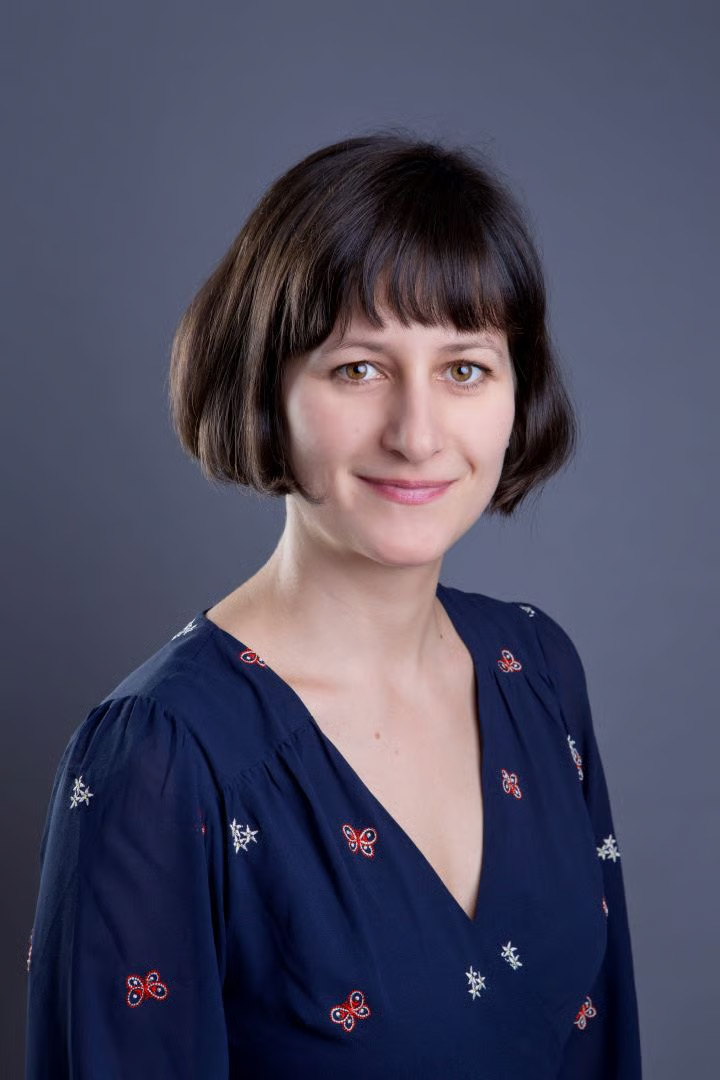
Cecilia Fontanesi is a dancer, researcher, and somatic movement educator. She is a Certified Movement Analyst (CMA), Board Certified Dance/Movement Therapist (BC-DMT), and Registered Somatic Movement Educator (RSME), affiliated with the International Somatic Movement Education and Therapy Association (ISMETA).
Since 2018, she has been a faculty member at the Laban/Bartenieff Institute of Movement Studies (LIMS, New York), where she teaches Laban/Bartenieff Movement Analysis. Her work bridges dance, neuroscience, functional anatomy, and somatic practices.
She teaches Contact Improvisation, partnering, Release technique, and floor work, emphasizing embodied intelligence and movement observation.
Cecilia regularly teaches at the 92Y Harkness Dance Center in New York, offering courses in dance therapy, neurobiology applied to dance, and Laban Movement Analysis. Since 2022, she has also been part of the teaching faculty at the National Centre for Dance Therapy of Les Grands Ballets Canadiens, where she teaches the Laban/Bartenieff Movement System and Movement Observation and Analysis.
She has also taught at several academic institutions, including Hunter College, Barnard College (Columbia University), UMass Amherst, Marymount Manhattan College, and Sarah Lawrence College, in the fields of anatomy, kinesiology, neuroscience, and movement analysis.
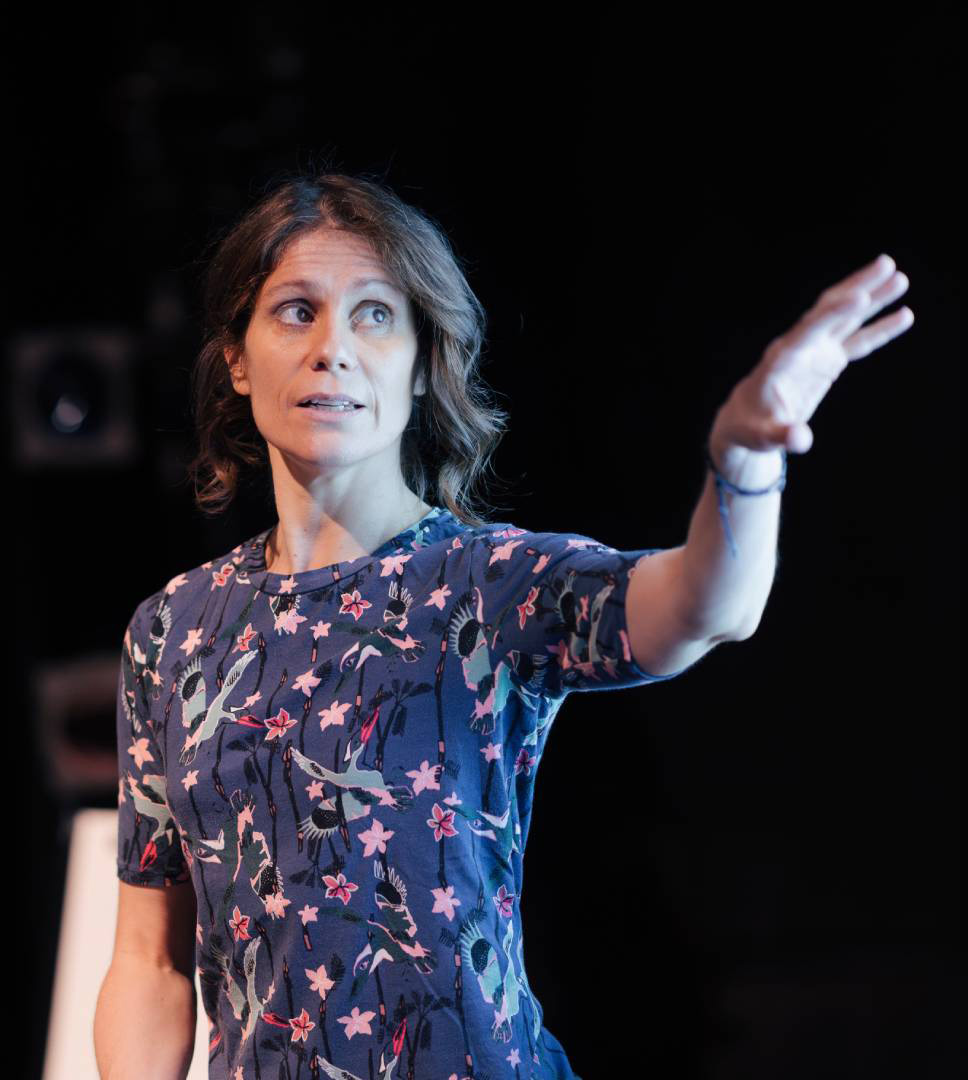
Tania worked as a psychiatrist and as a psychotherapist in Ukraine for more than 10 years prior her arrival to Canada. She has a doctorate degree in Psychiatry and has completed the Alternate Route training in Dance/Movement Therapy offered by the NCDT. She was Scholar-in-Residence (2019-2021) and she is a part-time faculty in the Department of Creative Arts Therapies at Concordia University. Tania teaches dance classes as well as dance therapy groups at Parkinson in movement and offers the dance therapy sessions with the NCDT. She is a cofounder of the Dance/Movement Therapy Association in Canada.
Karen Bradley was an Associate Professor of Dance and Director of Graduate Studies in Dance at the University of Maryland. She is a Certified Movement Analyst in Laban Movement Analysis and serves on the board of the Laban/Bartenieff Institute of Movement Studies in New York City.
Her work bridges dance, movement analysis, and education. She has applied movement analysis in diverse contexts, including dance/movement therapy, work with learning-disabled children, arts education research and policy, and coaching politicians and business leaders. She is the author of Rudolf Laban (Routledge) and has published extensively on dance education, learning theory, and movement-based approaches to understanding how people learn.
Bradley has also choreographed, written, and directed for theatre in the Baltimore and Washington, DC areas, and contributes regularly to media discussions on body language and political communication, including appearances in major outlets such as The New Yorker, The Washington Post, and CNN.
Her recent research includes interdisciplinary projects on dance and cognition, notably “Your Brain on Dance,” as well as collaborative initiatives exploring digital tools for movement and meaning. She has also played a key role in developing national dance education standards and advancing research on the impact of dance on children’s learning.
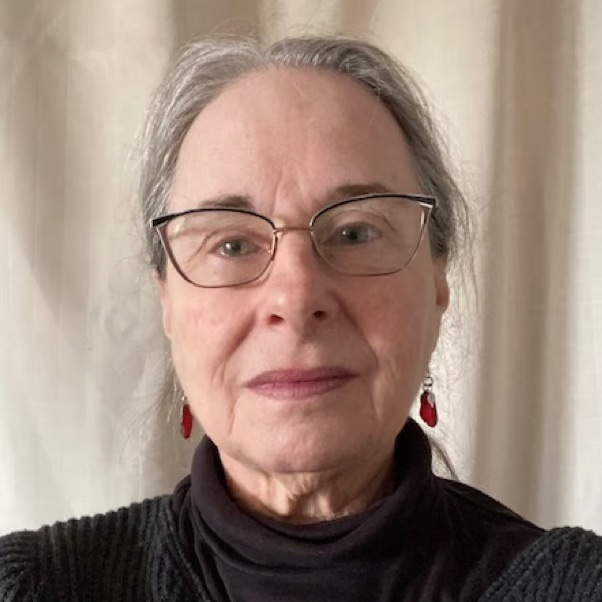
Rebecca Barnstaple is the Manager of Community Initiatives, Research and Innovation at CHIGAMIK Community Health Centre in Midland, Ontario. She holds a PhD from York University focusing on the neurobiological impact of dance on health and illness, and is a postdoctoral fellow at IICSI (University of Guelph). As an expert in dance therapy, she offers programs related to Parkinson's disease, Alzheimer's and chronic pain, and works on arts and health initiatives with organizations such as Dance for Health Nova Scotia, SingWell (Toronto Metropolitan University), and IMPROVment (Wake Forest University, North Carolina). She plays a leadership role with several professional organizations, including the International Association for Dance Medicine & Science, the Dance and Movement Therapy Association of Canada, and the American Dance Therapy Association.
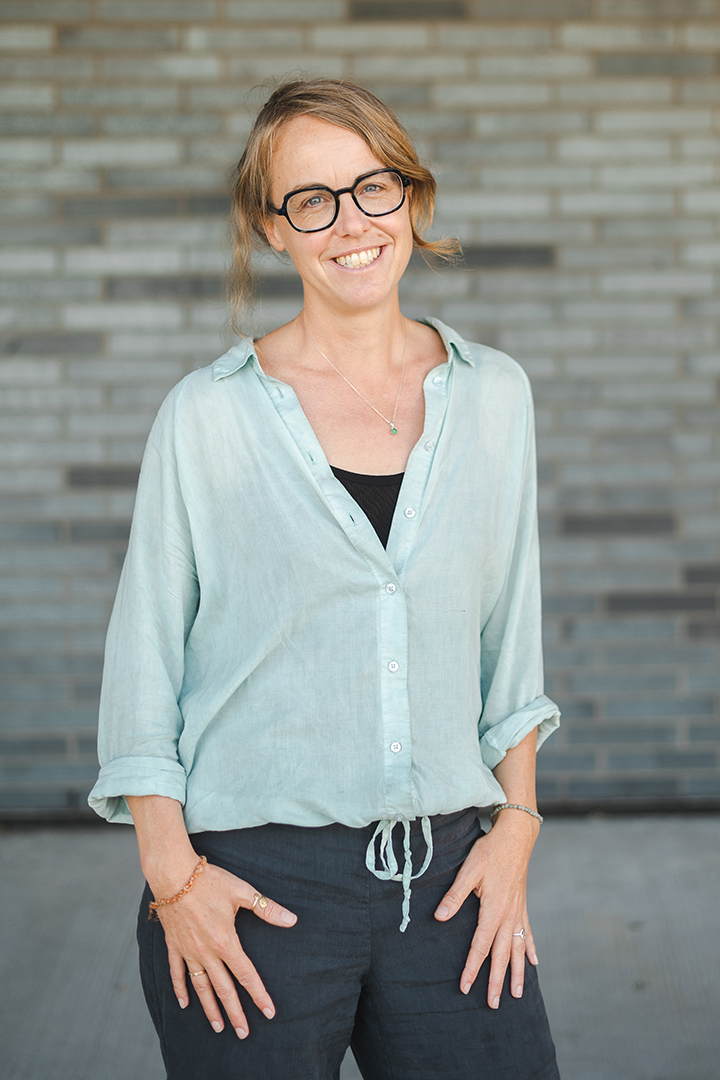
Brigitte Lachance holds a research-based Master’s degree in Rehabilitation from the École de réadaptation de la Faculté de médecine (UdeM), as well as a Bachelor of Arts in Dance from UQAM. She worked for over 20 years as a physiotherapist with individuals living with physical disabilities.
Her studies at the Laban/Bartenieff Institute of Movement Studies in New York were pivotal in the original development of the dance therapy program for individuals with physical disabilities, launched in 2006 and now integrated into the CIUSSS Centre-Sud-de-l’Île-de-Montréal.
As a guest speaker at the National Centre for Dance Therapy and at several universities, she continues her work as a Registered Dance/Movement Therapist (ADTA) with the Cree Board of Health and Social Services of James Bay.
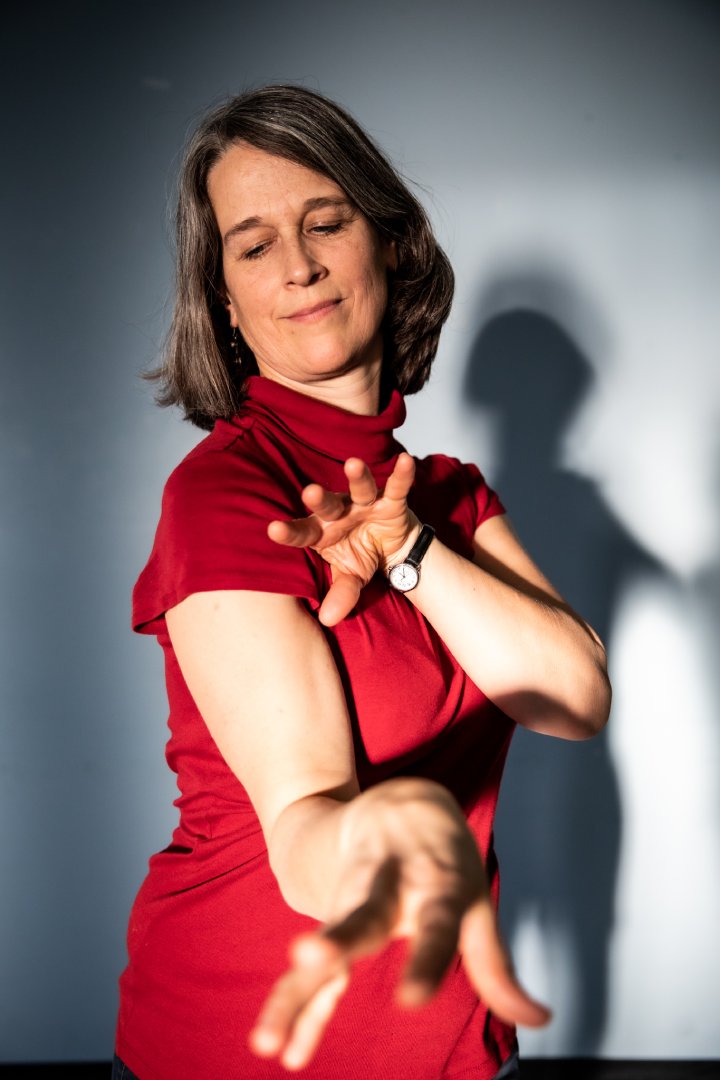
After completing a bachelor’s degree in anthropology and a second in contemporary dance, Christine taught dance for nineteen years, primarily in school settings. She then earned a master’s degree in occupational therapy, which led her to work in psychiatric occupational therapy at a university hospital, where she supported diverse populations (geriatric psychiatry, psychotic disorders, anxiety disorders, and mood disorders). Wishing to bring together her two areas of interest—dance and care—she completed the NCDT Alternate Route. She is now a dance/movement therapist certified by the American Dance Therapy Association. To date, she has worked with individuals living with autism spectrum disorder and intellectual disabilities, as well as people living with Parkinson’s disease.
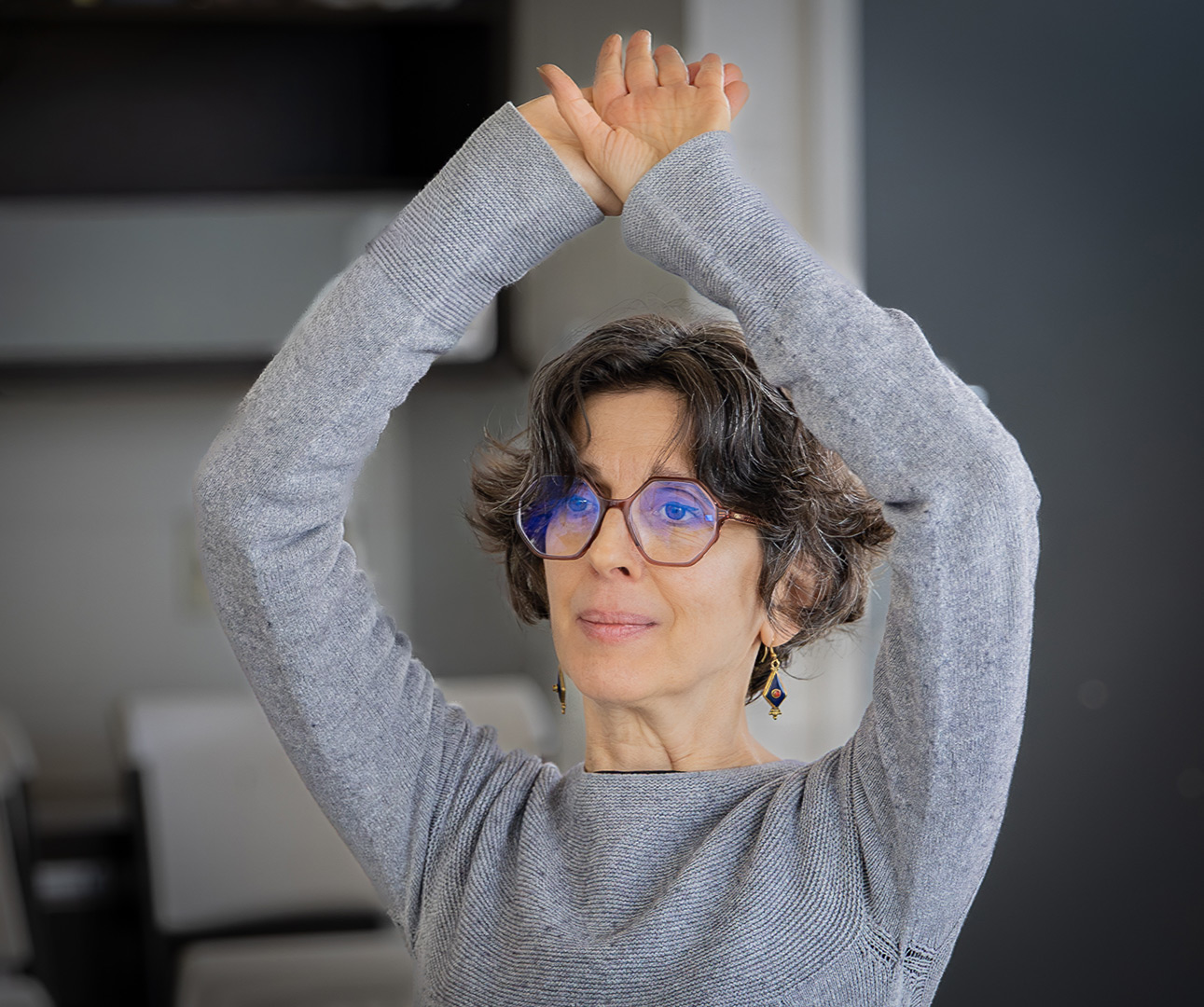
As an international public speaker and consultant, she shifts mindsets and strips away bias to increase resilience, inclusion, and justice. Farah’s holistic approach fuses the arts, therapeutic techniques, and ethnography to reduce harm while improving self-worth, productivity and purpose with relevance and harmony. She commits to building a diverse community of leaders who are proud to be fearless and flawsome without limiting beliefs, self-doubt, or shame.
For 25 years, she has been using creativity to reveal and resolve barriers to equity; fostering economic, professional, and personal development, while improving belonging and sparking innovation. Her successes include facilitating programs for over 100,000 people, producing and creating over 30 performances, implementing 6 community projects for social change, co-founding the Dance Movement Therapy Association in Canada and Le Groupe Herencias. Farah focuses on identity, respect, vitality, and empathy to decolonize behaviours so we can dare to be audaciously visible and aligned beings.

Dr. Amber Gray is a human rights psychotherapist as well as a somatic and dance/movement therapist who has worked for 25 years with survivors of interpersonal, collective, and intergenerational trauma, including torture, war, and human rights abuses. Amber provides clinical and transformational training through Right to Embody programs, integrating refugee mental health and post-torture treatment with creative, mindfulness-based, and body-based therapies in programs offered internationally.
With her clients, she developed a resilience-based theoretical framework and clinical approach (Restorative Movement Psychotherapy) for somatic and movement therapies with trauma survivors in multicultural contexts; together, they also developed Polyvagal-Informed Somatic and Dance/Movement Therapy, based on 24 years of immersion in polyvagal theory. This approach is the subject of her latest book, Roots, Rhythm and Reciprocity (to be published by Norton). She also regularly offers WildZeNess Eco-Somatic Body of Change retreats for survivors, caregivers, and practitioners serving communities affected by injustice, oppression, and trauma.

Stay up to date with the latest news and promotions from the National Centre for Dance Therapy


