


Throughout 2025, the National Centre for Dance Therapy continued to develop and anchor its activities in the exploration of new practices, while sharing the benefits of dance to a wide range of communities.
 Photo : Vincent Morreale
The winter season began with the renewal of our long-standing collaboration with HUPR and Cirque Hors Piste, through a two-day workshop in social art. This space for sharing practices and expertise fostered creativity among frontline practitioners. A few weeks later, this initiative led to a Reflection Day, bringing together stakeholders from the cultural sector, the health sector, and the research sector, and deepening our collective thinking on the transformations of the field in the post-pandemic context.
At the same time, we explored the digital realm in collaboration with Martin Lemay, Professor in the Department of Physical Activity Sciences at the Université du Québec à Montréal, and his research team. Together, we worked to make dance classes in the metaverse possible, with the aim of facilitating social inclusion for young people with disabilities. This project involved developing dance class content, contributing to reflections on the potential uses of the metaverse, particularly the role of avatars in dance education and participating in the creation of a user guide for teachers.
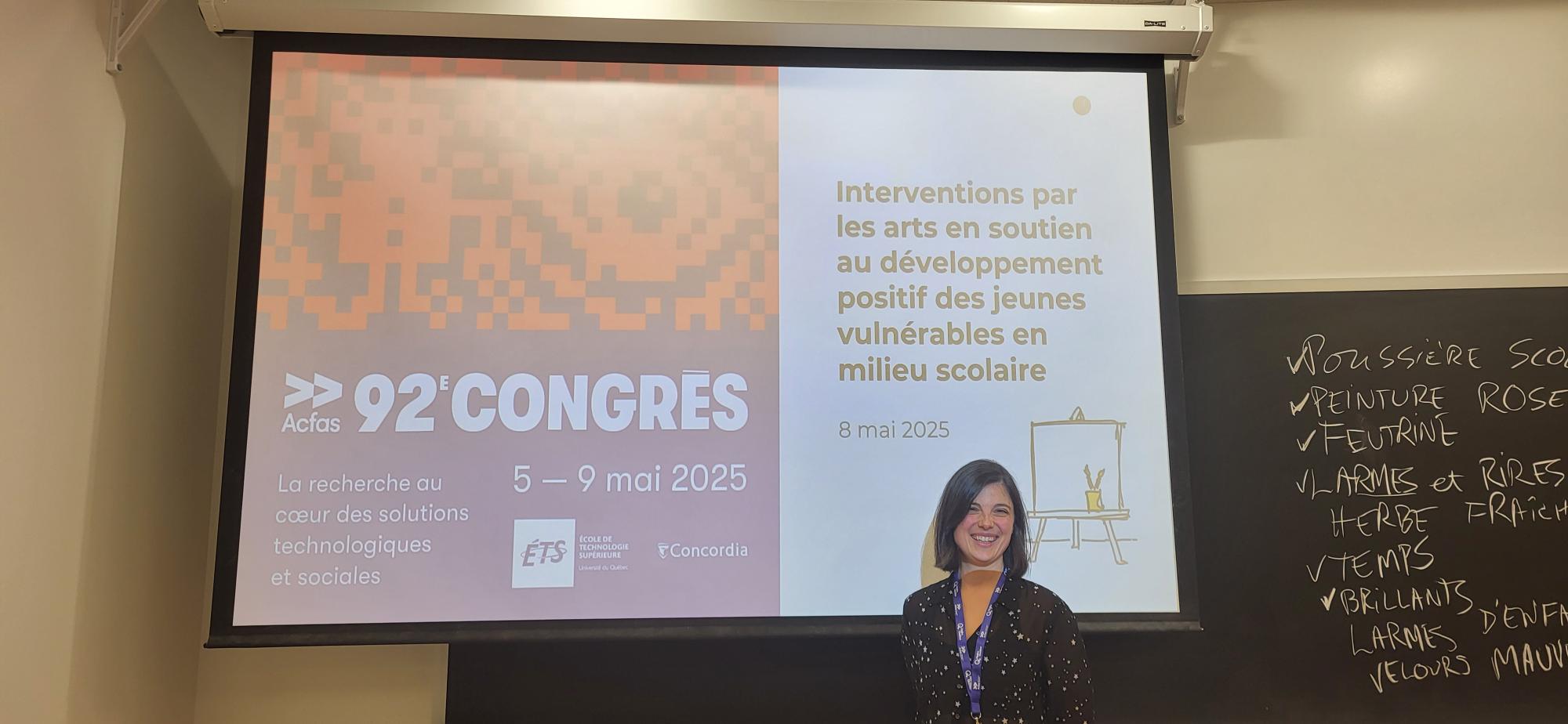 Photo : CNDT
In the spring, Émilie, Acting manager dance-therapy, presented her master’s research project on the development of dance pictograms at the Association canadienne-française pour l’avancement des sciences (ACFAS), a major pillar of Francophone research in Canada and internationally. Focused on adapting teaching methods for autistic children in school settings, the project was very well received and sparked meaningful discussions about the impact of NCDT’s services and practices in adapted dance.
We also welcomed the Jamaican Association of Montreal to continue its exploration of engagement and community-building through dance. This initiative, led by the research group What Connects Us, allowed us to reflect collectively on issues of accessibility, engagement, and community.
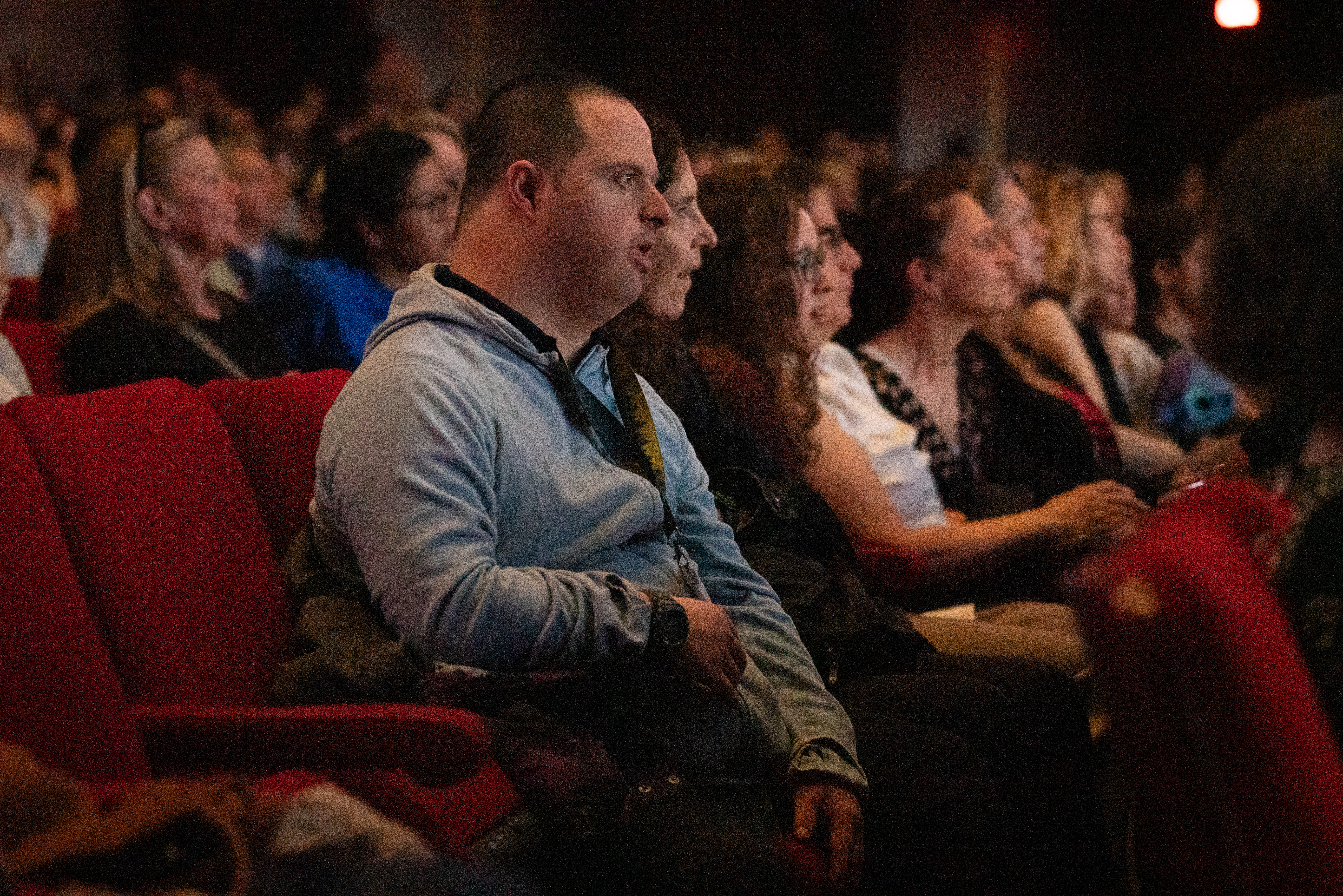 Photo : Vincent Morreale
In May, beneficiaries of NCDT partner organizations were invited to a relaxed performance of Don Quixote. A total of 744 spectators, representing a wide range of profiles and sensory needs, were welcomed at Place des Arts. One participant’s testimony captures the spirit of this experience: “L. and I had a wonderful time. It was a first for both of us to attend a ballet performance and what a performance it was! I found Les Grands Ballets’ approach for people with special needs truly remarkable… It brings a lot of comfort to daily life, which is not always easy. Until next time, with great pleasure!”
The summer was marked by numerous community engagements. The first edition of a conference on the dances of Indigenous Peoples of Turtle Island, led by Barbara Kaneratonni Diabo, represented a significant milestone in the work of memory, transmission, and cultural recognition that NCDT seeks to support. The 5th cohort of the Dance Therapy Training Program began its first session, bringing together students from diverse professional backgrounds, including drama therapy, psychiatry, special education, and physiotherapy.
We also took part in Montreal Pride, strengthening connections with organizations supporting the LGBTQIA2+ community and developing service offerings in collaboration with them. The return of our partners from the AMDI, Massawippi, and Espace Transition summer camps enabled both youth and adults to experience adapted and inclusive dance activities in a creative, stimulating, and caring environment.
In the fall, we continued our outreach and professional development activities, including a presentation on Les Grands Ballets and Ludmilla Chiareff for the City of Longueuil, NCDT’s participation in the American Dance Therapy Association Conference in Raleigh, North Carolina, and a continuing education workshop led by Maï(g)wenn et Les Orteils, focusing on teaching and creating adapted dance for neurodivergent students. In parallel, mediation and awareness-raising initiatives intensified within schools as well as across the health and social services network, helping to further strengthen relationships with our partners.
 Photo : Vincent Morreale
The year concluded on a promising note, with 38 partner organizations offering adapted dance and dance therapy services. We also wish to highlight the invaluable support of private foundations and donors, whose contributions ensure the quality and sustainability of services provided to vulnerable and marginalized populations.
In this way, 2025 emerged as a year of openness, sharing, and consolidation, one in which NCDT successfully brought together creativity, research, and humanity, positioning dance as a powerful practice for well-being.


